
So far this year, 262 youth are on their way to living a restored future!
*January 1 - June 30, 2026
at a glance
3,563 hours of one-on-one coaching were provided.
1,891 meals were served through The OC.
97 youth engaged in trauma-informed therapy, totaling 583 hours of therapy provided.
56 youth received safe shelter or transitional housing through The Station and LifeBASE.
142 young people engaged in transformational experiences.
mid-year milestones
262 youth were served across all Immerse sites.
8 youth started college or trade school.
12 youth have been issued a driver’s license.
6 youth have bought a car and car insurance.
14 youth earned a high school diploma or GED.
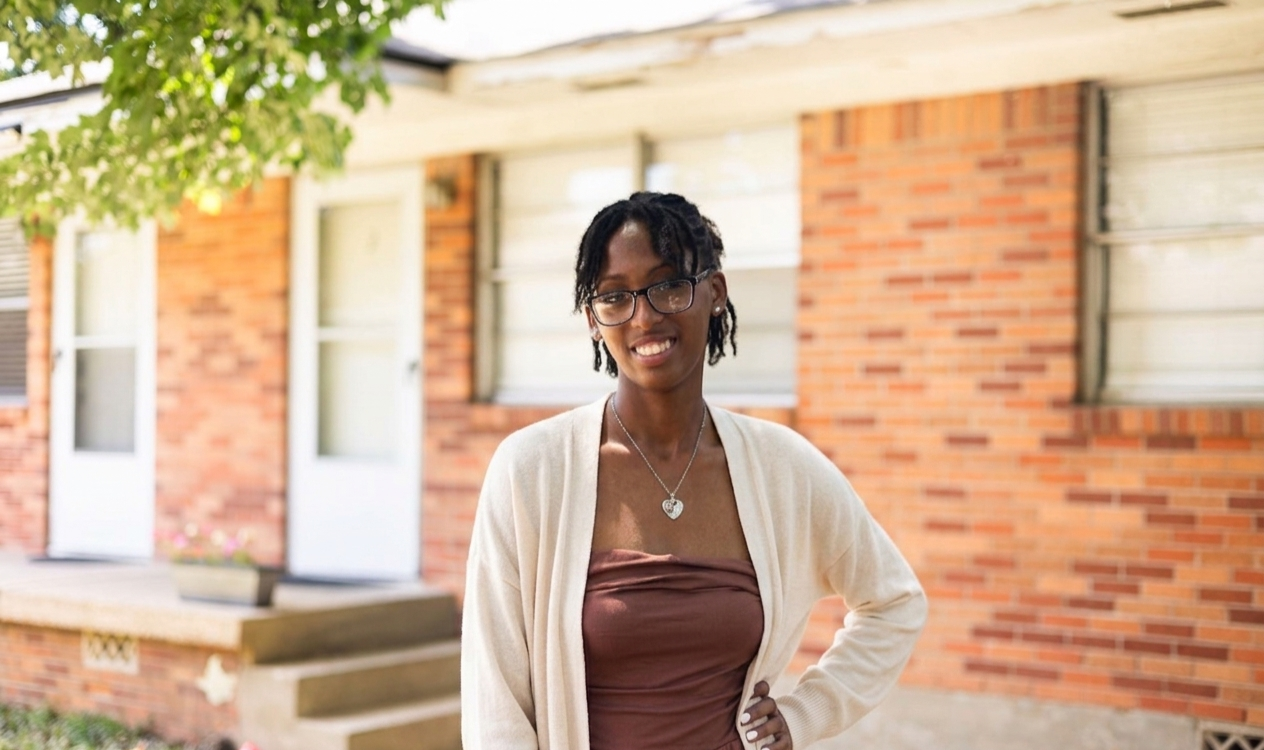
Anastasia, 20
Well-Being
80% of youth exiting the LifeBASE Transitional Program experienced an improvement to their well-being.
“I have a great therapist provided by Immerse who’s helping me work through anxiety and PTSD, and the reasons in my past that have been causing it.”
— Sam, 19
At Least One Caring Adult
100% of youth exiting LifeBASE Transitional Program and 93% exiting The Station Youth Shelter left with at least one caring adult in their circle of support.
“I’m living proof Immerse just doesn’t give up. We all have things going on — no matter what, they’ll support you. I’m so happy I came here. I love Immerse. Y’all are my family.”
— Mya, 24
safe, stable housing
100% of youth exiting LifeBASE Transitional Program and 89% exiting The Station Youth Shelter exited to safe, stable housing.
“When I got to Immerse, I didn’t have anything to my name. Everyone at The Station made it a mission to make sure I had everything I needed right away. They helped me with a job, clothing, life skills and much, much more.”
— Quan, 19
earning potential
Of those youth who exited the LifeBASE Transitional Program…
60% exited with increased earning potential (employment and holding at least a high school diploma or GED).
Of those youth who exited the Station Youth Shelter…
67% exited with increased earning potential (employed).
“At Immerse, they teach you about life — for example, budgeting your money, jobs. I learned a lot. Now I’m enrolled in culinary school, and I’m putting my catering business out there so more people can taste my food.”
— Ziporah, 21
-
In Arkansas, 51% of entries into foster care were classified as due to neglect (Arkansas Division of Children & Family Services, 2024). A growing number of neglect cases are related to poverty: In Benton County, 78% of delinquent youth live in absolute poverty. (Drew Shover, Benton County Juvenile System)
A teen in foster care is 2.5x more likely than her peers not in care to become pregnant before she’s 19. (Center for the Study of Social Policy, 2015)
The high school graduation rate for Arkansas foster youth is 24% lower than it is for their non-system peers.
By 21, only 55% of youth with foster care experience reported being employed full or part time, compared to 64% of their non-system experienced peers. (Annie E. Casey Foundation, 2023)
40% of youth with a foster care history experience homelessness by the time they’re 24. Roughly one-third of all young adults experiencing homelessness in the U.S. have a history with the foster care system. (Chapin Hall, University of Chicago, 2019)
Youth who move to five or more placements during their time in care have a 90% chance of becoming involved with the juvenile justice system at one point in time. (Annie E. Casey Foundation, 2023)
Up to 80% of youth in foster care experience significant mental health issues, compared to 20% of the general population. (National Conference of State Legislatures, 2019) Former foster children are 3x more likely to die by suicide.